
Tayaban
A winged nocturnal creature said to glow like a tropical firefly.
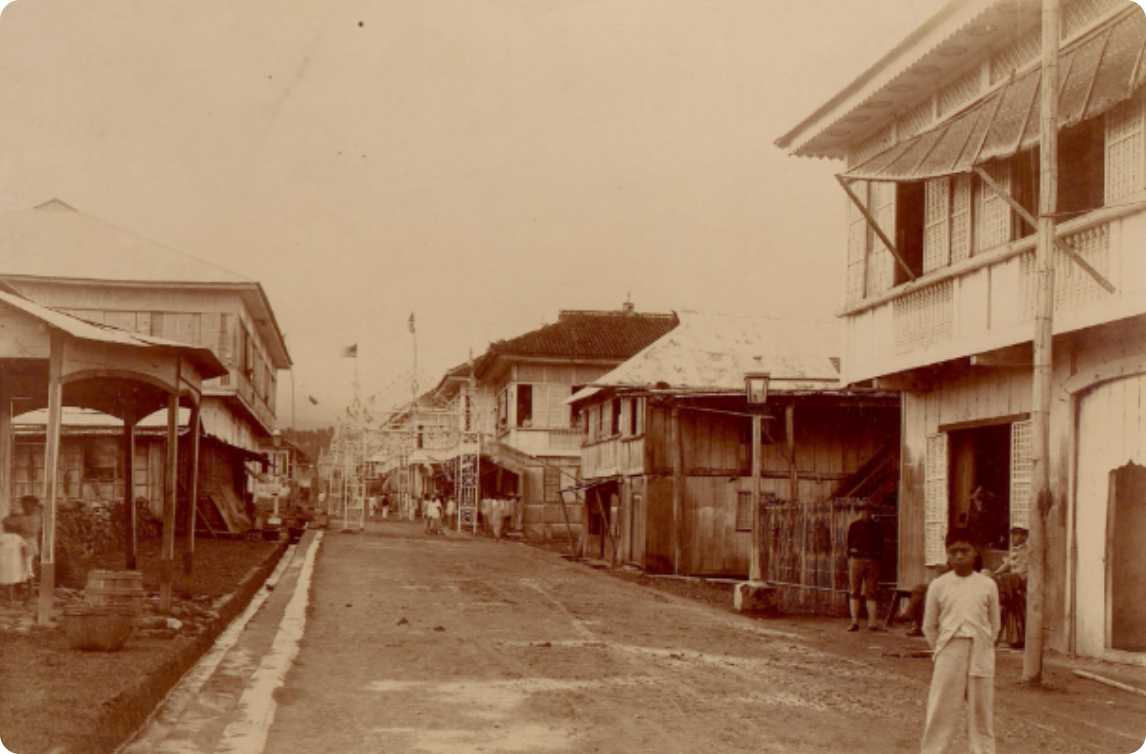
From an early foothill community to La Muy Noble Villa and the component city we know today, Tayabas carries its past into public life.
The place called Tayabas
Unlike many Philippine towns renamed during the Spanish period, Tayabas retained its original name. Its precise origin remains unresolved, with several local and linguistic explanations preserved in the city’s historical account.
A winged nocturnal creature said to glow like a tropical firefly.
A recorded local practice of marking a newly cleared farm plot with cut trees.
A well-loved local fern whose abundance may have inspired the place name.
Through the centuries
Before 1578
Early Tayabasin communities lived within a landscape shaped by Mount Banahaw, watersheds, rivers, farms, and strong village life.
1578
Franciscan missionaries Juan de Placencia and Diego de Oropeza began organizing the Christian pueblo that became Tayabas.
1651
The provincial capital moved from Calilaya to Tayabas, and the province came to be known as La Provincia de Tayabas.
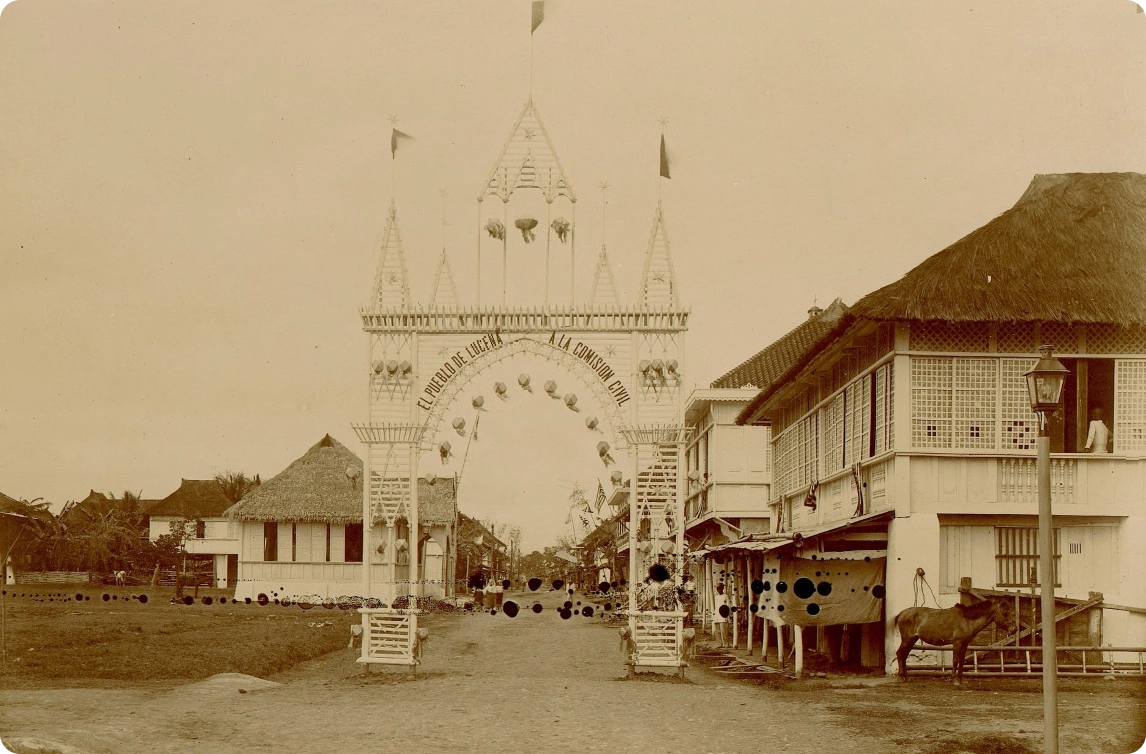
1703
The Spanish monarch granted Tayabas the rare title “The Very Noble Villa,” marking an era of flourishing arts, civic life, and public works.
1901
American-era civil government was established, while the provincial capital was later transferred from Tayabas to Lucena.

1941–1945
Occupation, guerrilla resistance, bombing, and fire brought profound loss to the town and many of its historic structures.
2007–2009
Republic Act No. 9398 converted Tayabas into a component city in 2007; its validity was ultimately upheld in 2009.
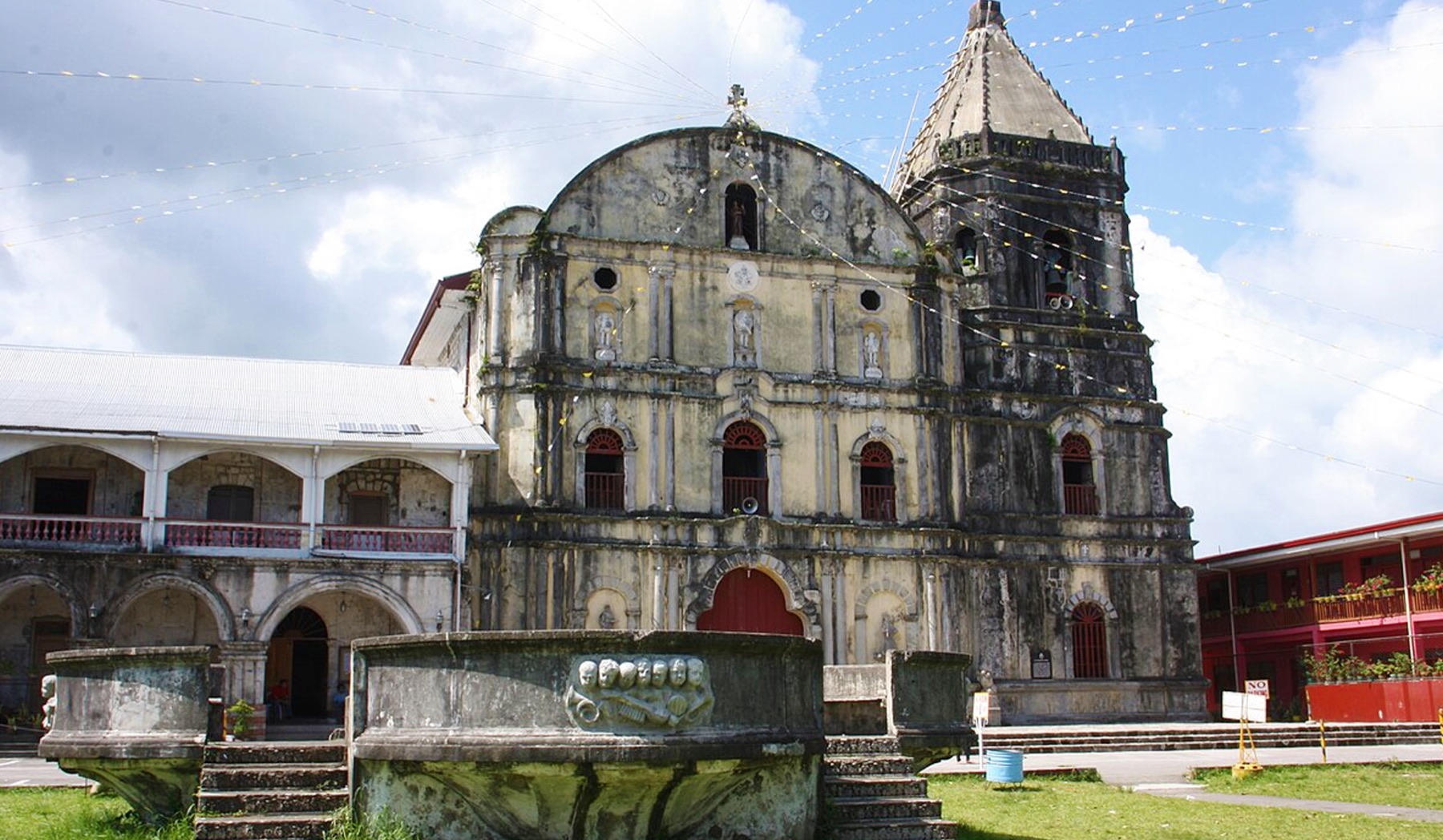
1703 · A rare distinction
The title “The Very Noble Villa” marked a period when arts, music, poetry, civic architecture, bridges, schools, and craftsmanship flourished. That layered cultural inheritance remains central to how Tayabas tells its story today.
Discover the city’s living heritageSee history in place
Walk the roads, bridges, and landmarks.